
Skip to content
Woobie AI is here. Your 24/7 claims copilot, built on the playbook our examiners use. Create a free account
How it works Success stories Community Resources Why Woobie
Platform
Woobie AI
Sign in Free consultation
U.S. Navy · A veteran story

He had the injuries. He didn’t have the words.

Skyler enlisted on a SEAL contract and left BUD/S carrying damage he was trained to push through. The conditions were always real. What his record was missing was language, the severity and frequency the VA grades against. Once it was said that way, the rating followed, all the way to Permanent and Total.

Branch · U.S. Navy Rating · To 100% Status · Permanent & Total
SkylerU.S. Navy · To 100% P&T
The story

Skyler enlisted in 2020 with a SEAL contract and reported to BUD/S in Coronado, the training built to break down most who attempt it. The physical and mental toll caught up with him, and he did not finish the pipeline. What he carried out of it was real: damage to his back, his hips, and his knees, along with the heavier weight of losing the identity and the purpose he had trained for.

On paper, none of it existed. The injuries were there and the symptoms were there, but nothing had been documented the way the VA needs to see it. For a long time, that suited him fine. Like a lot of veterans, Skyler had learned to treat seeking help as complaining, and complaining as weakness. So he stayed quiet, and the record stayed empty.

When Woobie first reached out, he turned it down. He did not see himself as someone who needed help, and asking for it felt like the opposite of how he had been trained. It took a friend to change his mind. That one conversation got him to take the step he had been avoiding, and to let a team actually look at what his service had cost him.

Having the condition was never the problem.

Skyler hurt every day. The gap was language. Until his symptoms were described in the severity and frequency the VA grades against, the record could keep saying nothing qualified.

Saying it the way the VA needs to hear it

Skyler put it plainly. As he came to understand it, if you do not accurately describe the severity and frequency of your symptoms, your medical record will not reflect the true extent of your condition. A veteran can carry the proof in his own body and still be told, on paper, that nothing rates. The injury is not the question. Whether the file says it in the right words is.

That is the gap Woobie closed. Our medical team handled the clinical work he had gone without. Independent medical evaluations of his back, his hips, and his knees, each one graded against the schedule a rater uses. Nexus letters connecting every condition to his time in service, written by licensed doctors in VA language. Lay statements from the people who saw his limitations up close, so the file reflected daily life and not just a single appointment.

Built around his service, not a template

None of it was generic. Each piece of evidence was built around Skyler’s specific conditions, including the mental health strain the record had never acknowledged. The loss of the SEAL path was not just a disappointment to push past. It was a service-connected weight that belonged in the file, and for the first time it was named.

This is the part veterans miss on their own. A condition you live with every day is not the same as a condition the VA can rate. The distance between the two is evidence, written in the right words, and that is exactly what Woobie builds. Not a longer form. Not a louder claim. The specific medical proof a rating turns on.

The number that finally matched

With a file that said the right thing in the right way, Skyler reached a 100% rating, Permanent and Total. Permanent and Total means the VA does not expect the conditions to improve, so the rating is settled and not up for periodic re-examination. The compensation he earned in service now shows up where it belongs.

The part he wants other veterans to hear is simpler. Getting evaluated was not complaining. It was telling the truth in a form the VA could finally act on. The conditions had been there the whole time. What changed is that the record finally said so.

“Even if you have the issue, if you don’t say the right thing, they will say you don’t have it. Woobie made sure I said it right.”
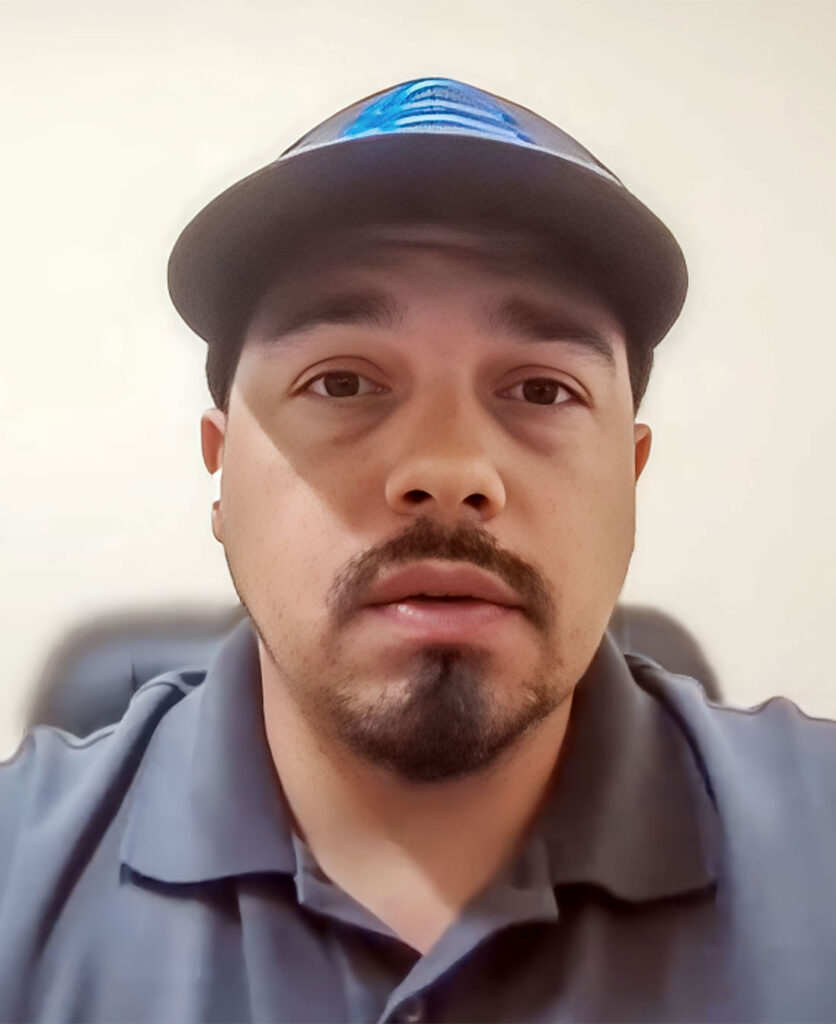

Skyler · U.S. Navy

Three things that turned the injuries into a rating.

Skyler’s rating did not move because he finally complained loud enough. It moved because three specific pieces of evidence finally existed, in the words the VA grades against. This is what his record had been missing, and what Woobie built.

The injuries, described to criteria

Independent medical evaluations of his back, his hips, and his knees, each one graded against the rating schedule.

The VA does not rate how much you hurt, it rates how well your record matches a specific schedule, by severity and frequency. Skyler’s conditions were real for years. None was written in those terms. Woobie put it there, condition by condition, so nothing was left for the VA to guess at or deny.

The nexus that connected it to service

Doctor-written nexus letters and lay statements that tied every condition back to his time in the Navy.

An injury is not enough on its own. The VA needs a doctor to state, at least as likely as not, that your service caused it. That link is the nexus, and it is the thing most claims go in without. For Skyler, each condition was connected to his service in writing, and the people who saw his daily limits put it on the record too.

The strain he never thought to claim

A holistic review surfaced the mental health weight the record had never once acknowledged.

Many veterans are underrated because they never filed for everything their service caused. Losing the SEAL path was a service-connected mental health condition, not just a hard memory. Woobie surfaced it and the secondary conditions that quietly raise a combined rating. The same job the Discovery tool does inside Woobie AI, the moment your conditions are mapped.

How his claim actually came together.

This was a done-with-you process, not a form Skyler filled out alone. He worked one on one with former C&P examiners and the medical team while they built the part that wins claims: the evidence and the nexus that ties each condition to service.

  • Former C&P examiners read the file like a rater
  • Symptoms written to the VA rating criteria
  • Nexus letters and lay statements, ready to submit
  • No hidden fees, and support that did not stop
Get a free consultation
Ryan R., U.S. veteran Amos T., U.S. Army veteran Bob P., U.S. Army veteran Chris W., U.S. Marine Corps veteran
Joined by 2,000+ veterans who stopped accepting the first number.
From silent to settled · four steps
  1. 1

    An honest intake

    Skyler laid out his service, BUD/S, and the injuries he had been quietly carrying: the back, the hips, the knees, and the weight he had never named. No legalese, no paperwork pile to climb alone.

  2. 2

    A holistic medical review

    Former C&P examiners and the medical team read the file the way a rater would, flagged what was missing, and matched Skyler with the right specialists for each condition.

  3. 3

    Evidence built to criteria

    Independent medical evaluations, nexus letters, and lay statements, each one written to the exact severity and frequency the VA grades, so the record finally matched the man.

  4. 4

    Filed right, then 100% P&T

    The completed file went in organized and complete. The rating reached 100%, Permanent and Total, and the support did not stop there.

Same sailor. Two very different files.

For years Skyler’s record said nothing rated, not because the injuries were not real, but because the file stayed silent. Here is what changed between the version that said nothing and the version that reached 100%.

The silent file

On paper, nothing rated

  • Injuries toughed out, never written down
  • Back, hips, and knees undocumented
  • No nexus letter, so the VA had nothing to connect
  • Mental health strain never acknowledged at all
  • Symptoms unsaid, so the record stayed empty
The file that won

100%, Permanent & Total

  • Every condition described to the rating criteria
  • Independent evaluations of back, hips, and knees
  • Doctor-written nexus letters stating the service link
  • The mental health weight surfaced and claimed
  • A rating that finally matched what he lived with
100% P&T From a record that said nothing rated. Permanent and Total, the rating settled and no longer up for re-examination.
The result

From injuries he stayed quiet about to a rating that said it all.

Not a marketing figure. This is what happened when one sailor’s evidence was finally built the way the VA actually grades it, condition by condition, in writing.

3 areasBack, hips, and knees, each documented to criteria.
1 nudgeA friend’s push that finally got him through the door.
0 hidden feesClear pricing, and support that did not stop at the decision.
The Woobie AI platform

Don’t guess what your claim is worth. Know.

Skyler’s injuries sat unsaid for years because no one mapped them to criteria. Woobie AI is the free copilot that does exactly that, before you ever file, built on the same logic our examiners use.

Combined-rating estimate

VA math is not simple addition. Two conditions at 30% do not make 60%. Woobie AI runs the combined-rating tables the way a rater does, so you walk in knowing your real range, not the number you are hoping for.

Condition and evidence mapping

For every condition you name, Woobie AI shows the exact criteria that rates it and the proof the VA needs to see to act. The same gap that kept Skyler’s record empty, closed before you file.

The Discovery tool

Many veterans are underrated because they never filed for everything their service caused. Discovery surfaces the secondary and connected conditions you may have missed, the ones that quietly raise a combined rating.

Free, and built for veterans

No credit card, available 24/7, and already used by thousands of veterans. The free platform every veteran should join before they file a single thing.

Stop pushing through it in silence.

Skyler almost let his injuries go unspoken. If you have been told you are fine on paper while you carry the proof every day, a free conversation is the fastest way to find out where you really stand, from veterans who have been through it and the former C&P examiners who used to grade these claims.

  • Free consultation, no obligation
  • Former C&P examiners build your evidence
  • Independent evaluations, nexus letters, and lay statements done right
  • 97.48% average client rating, support that does not stop

Prefer to explore first? Start with Woobie AI.

Every veteran should sign up. In minutes, Woobie AI estimates your combined rating, maps your conditions, and shows the exact evidence your claim needs. Free, for everyone who served, with no credit card.

Create your free account Or try the benefits calculator