
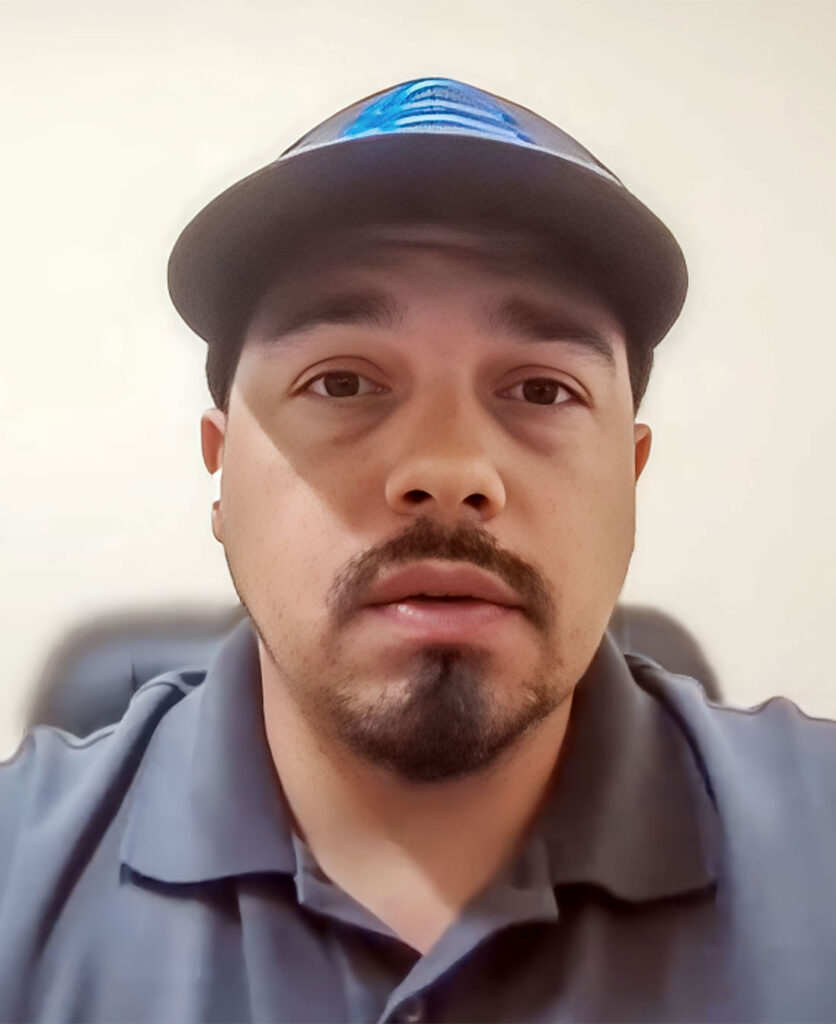
Ryan R. is a U.S. Navy veteran who came up through BUD/S, the punishing pipeline that produces Navy SEALs. It is a program built to find your limit and then ask for more. The men who finish it learn to push the cost of that down, out of sight, and carry on. It is exactly the kind of training that earns the trident, and exactly the kind that leaves a record far quieter than the body that lived it.
That is the problem Ryan walked in with. The VA does not rate what you endured. It rates what your file can prove, in the specific language the rating schedule recognizes. A veteran who spent years being told to suppress the toll arrives with a record that says far less than the truth. The first number the system offers reflects the paperwork, not the service behind it.
It is a familiar trap. The process is confusing enough that most veterans accept whatever they are handed and move on. Ryan came close to doing the same. What stood between him and the rating he had earned was not his service. It was evidence.
Nothing about Ryan’s service changed. The record finally did.
He had earned the rating long before he received it. The turning point was translating the toll he carried into the criteria the VA grades against. The service was always there. The proof was not.
A holistic review, not a stack of separate forms
Woobie did not start with a form. Woobie’s medical team started with Ryan, running one holistic review of his health instead of treating each issue as an isolated line item. The goal was to capture the full weight of his service the way it actually shows up in a life, then map every piece of it to the standard the VA uses to decide a claim.
This is the step veterans almost always miss on their own. A condition you live with every day is not the same thing as a condition the VA can rate. The distance between the two is documentation, and closing it takes people who know exactly what a rater needs to see. Woobie’s team has sat on the other side of that table as former C&P examiners, so they build the file to that standard from the start.
The hardest part is turning it into proof
The SEAL pipeline rewards the man who never flinches and never logs a complaint. That instinct keeps you alive in training. It also leaves you with a medical record that reads far thinner than the service you gave. Ryan did not arrive missing conditions. He arrived missing the paper trail that proves them, because for years the right answer was to push through and say nothing.
That is the part most veterans stall on, the moment you have to convert what you live with into a record the VA will accept. It is the step people quit on. Ryan did not do it alone. He worked alongside the Woobie medical team, who have built thousands of these files and know how to turn lived impact into the documented, connected evidence a rating actually turns on.
The record finally matched the service
With his lived impact written down in the words the VA acts on, the gap closed. Ryan reached 100%, Permanent and Total. Permanent and Total means the rating is not slated for future re-examination and the benefits are secure. For a veteran trained to carry the cost in silence, it was the system finally acknowledging what the service had already taken.
The throughline of Woobie matters here. Clear pricing with no hidden fees, support that continues with no time limit until you reach your goal rating, and a team available whenever the process gets heavy. None of it changed who Ryan was. It changed what his record could prove.
“I was not once ever surprised by hidden fees. Woobie was always available, and I always felt they were going to get it done.”